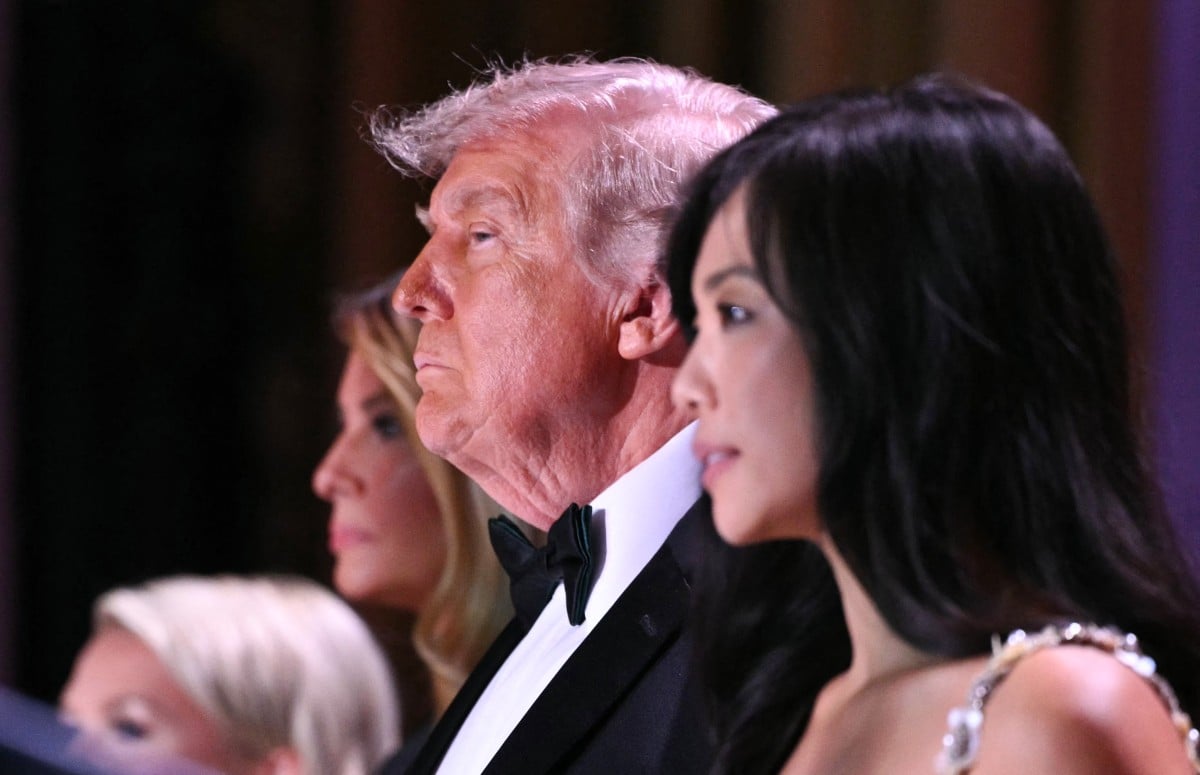
A night meant to showcase detente between Donald Trump and the Washington press corps instead exposed both the physical fragility of presidential security and the political volatility around it.
From gala to gunfire
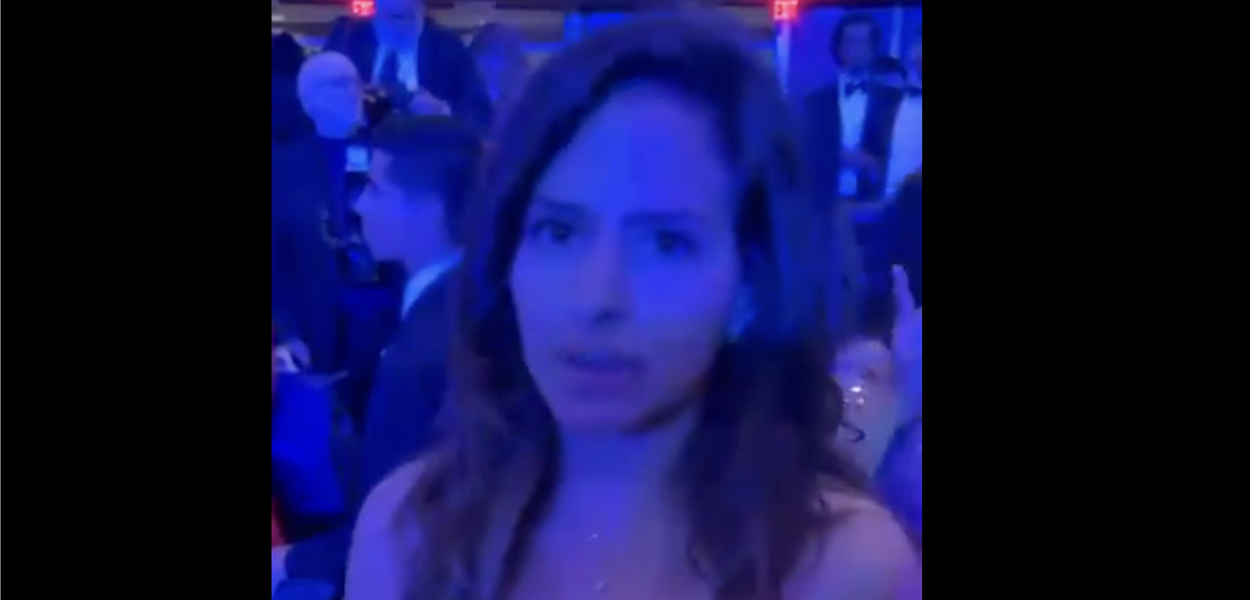
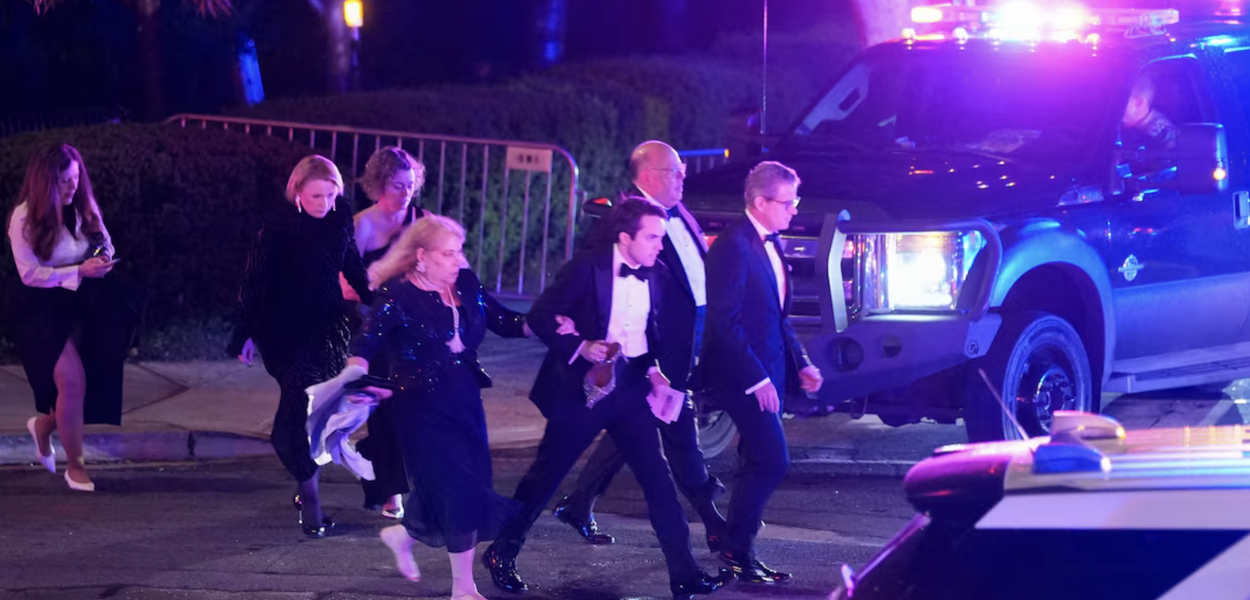
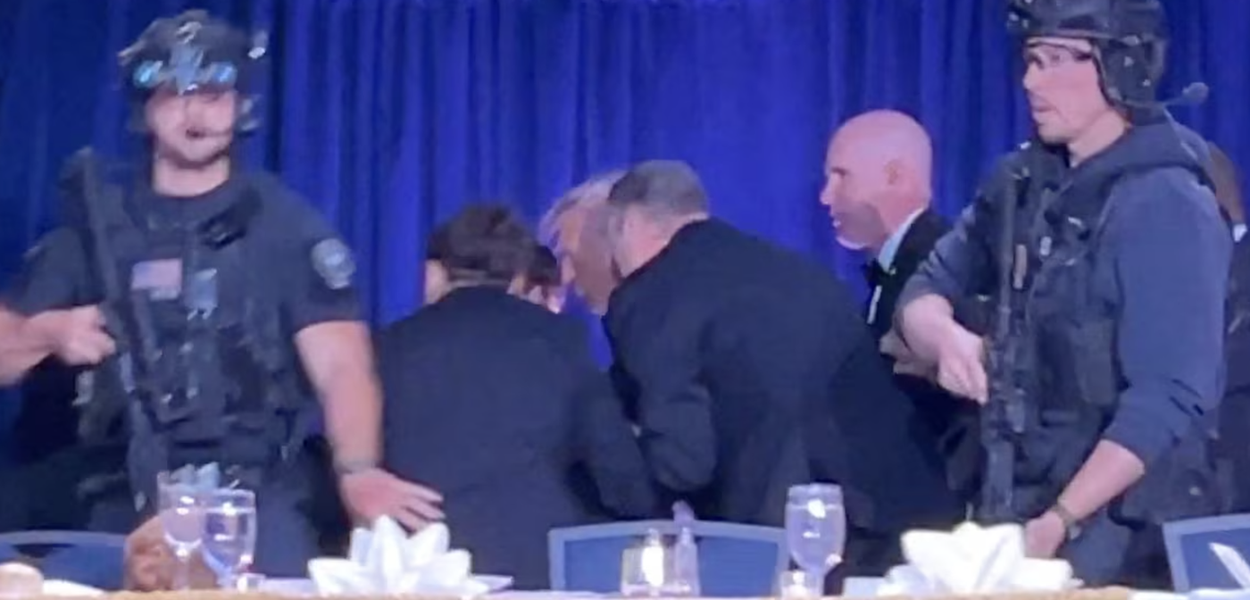
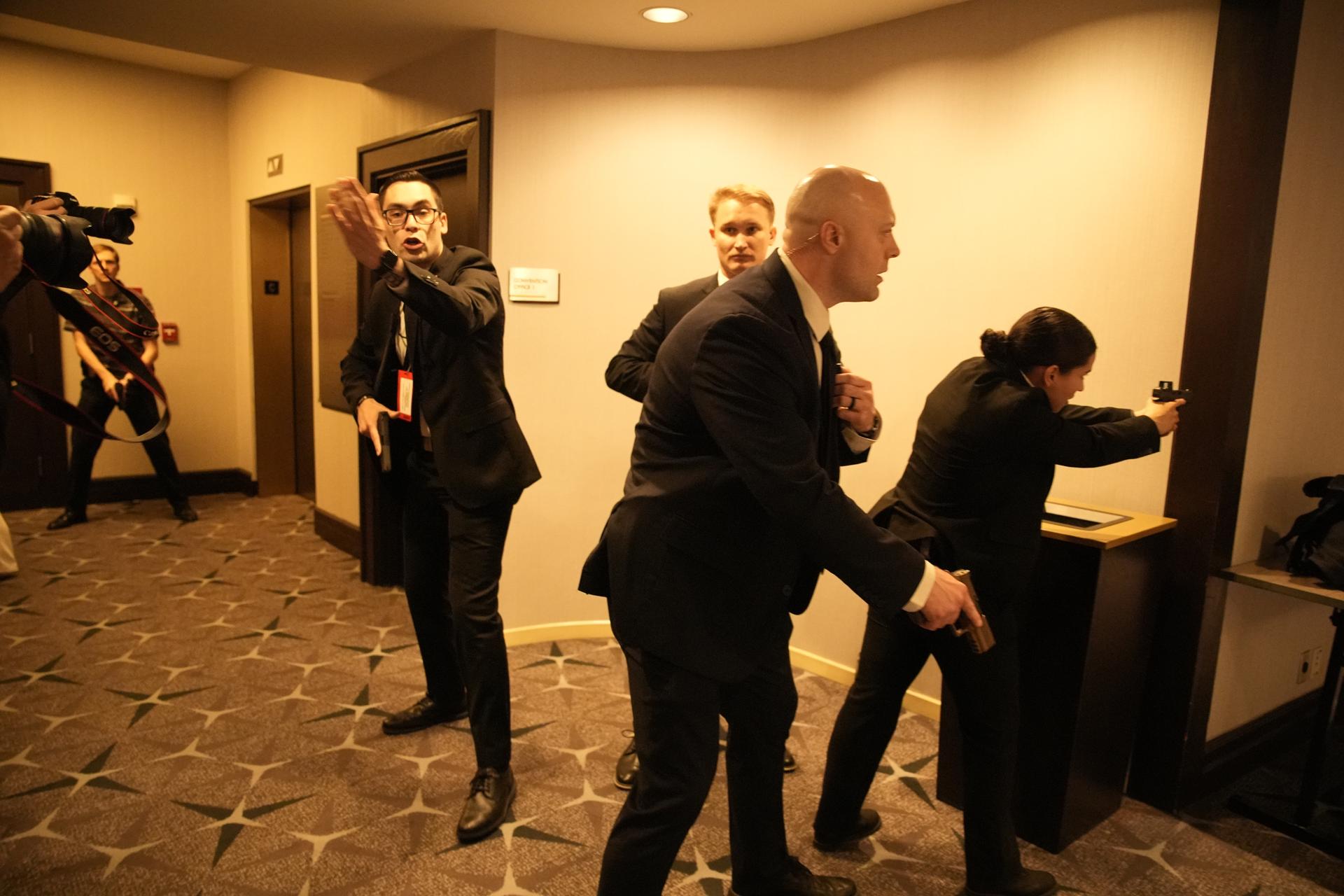
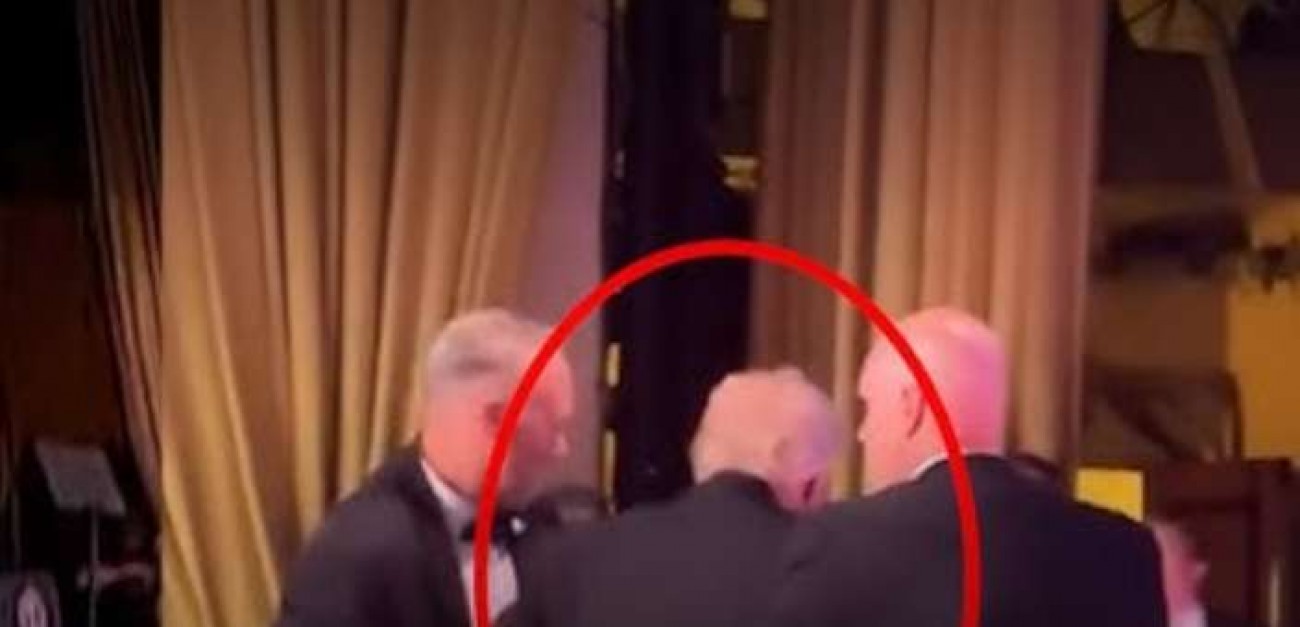
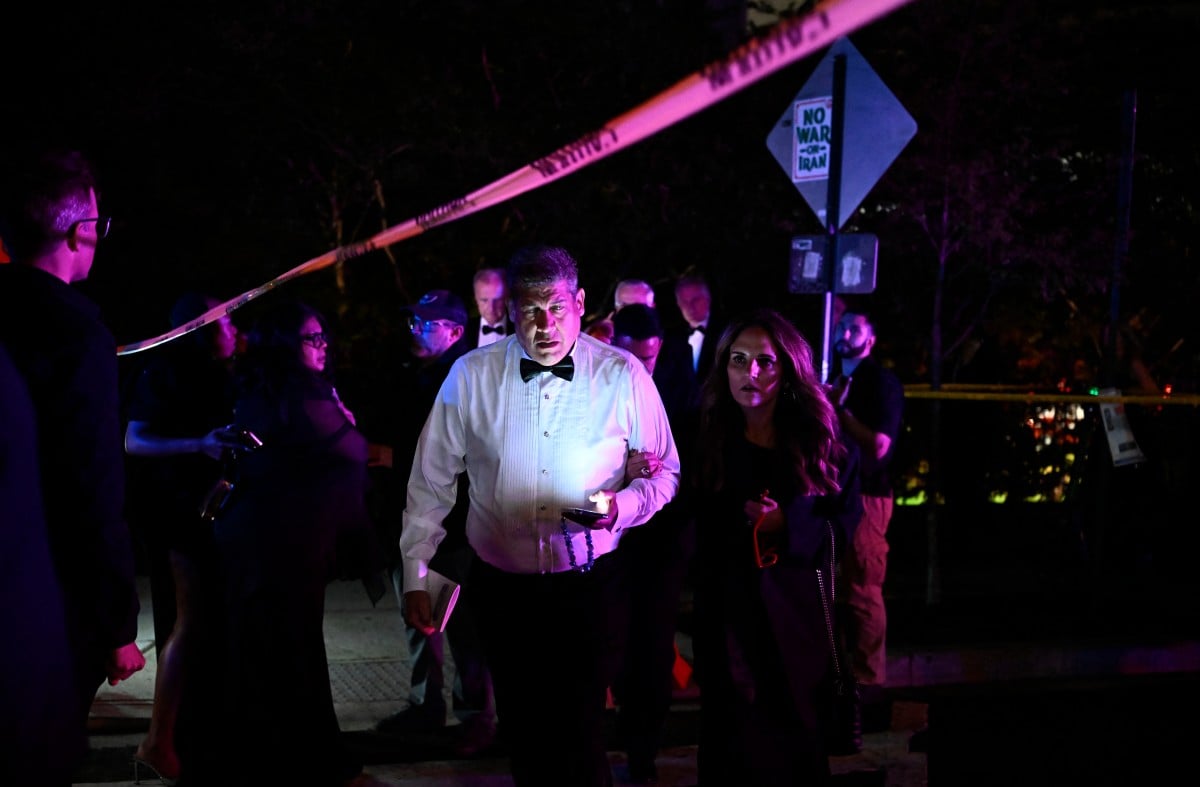
On the evening of 25 April, Trump attended the White House Correspondents’ Association dinner at the Washington Hilton for the first time in years, after a long boycott of the event. Moments after guests began eating, loud bangs were heard and agents of the U.S. Secret Service rushed into the ballroom shouting commands as attendees dove under tables. Videos and eyewitness accounts describe Trump being surrounded by armed agents and rushed off stage, while thousands of guests were ordered to the floor and later evacuated.
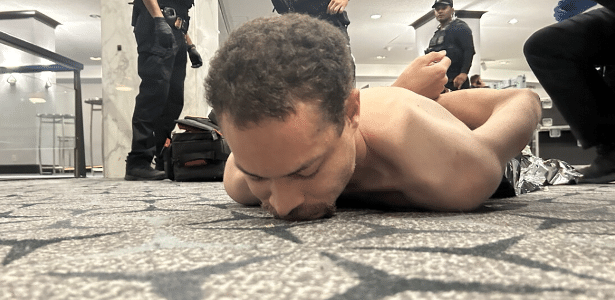
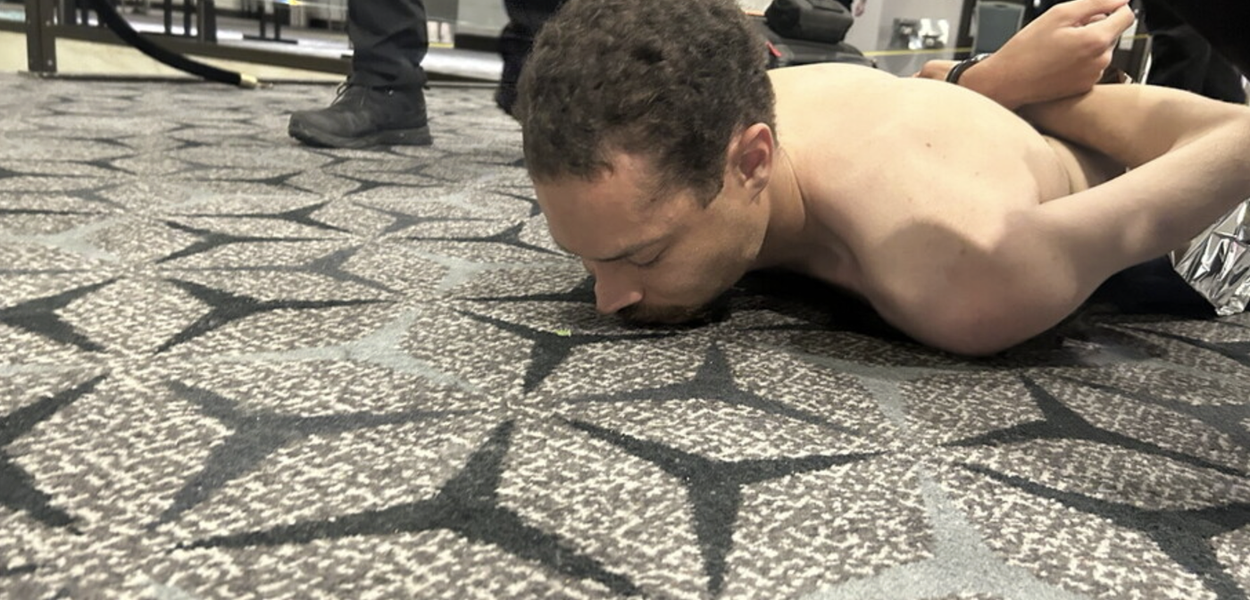
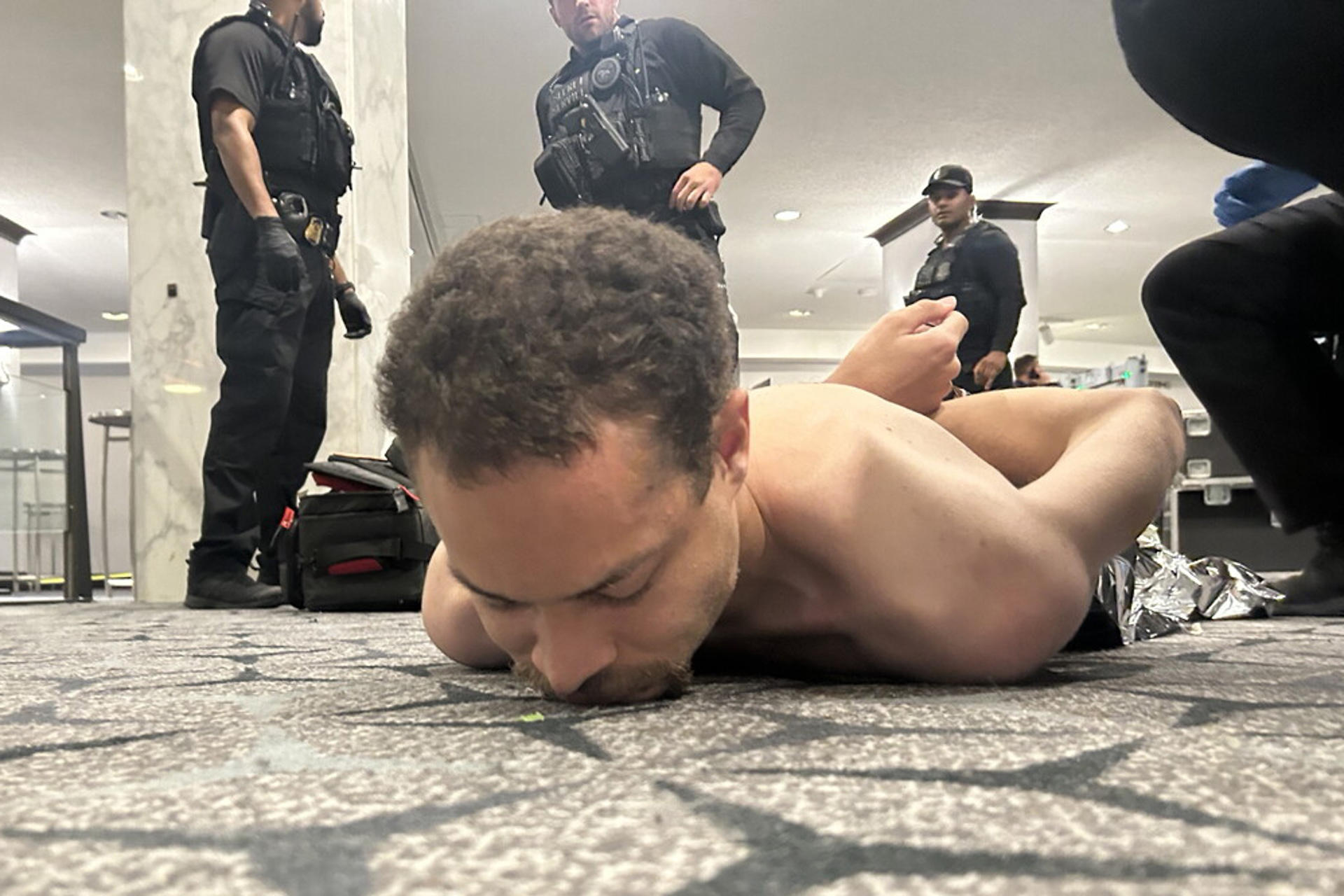
Outside the main hall, the suspect — identified as Cole Tomas Allen, 31, from California — allegedly approached a security checkpoint carrying a rifle and other weapons and opened fire on agents. One officer was hit but survived thanks to a bullet‑proof vest. Authorities say Allen, a hotel guest, was taken into custody and will face federal charges including use of a firearm in a violent crime and assault on a federal officer. Social media influencers on the right immediately framed the incident as “a new assassination attempt against Trump,” amplifying the drama before basic facts were confirmed.@leandroruschel on X7. “Aparentemente, houve uma nova tentativa de assassinato contra Trump… Tiros foram disparados… Trump foi retirado do local pelo Serviço Secreto.”
Security failures and official spin
Government‑aligned outlets highlighted the speed and discipline of the Secret Service response, stressing that the multilayered security “worked” because the attacker never reached the ballroom. Yet on‑the‑ground reporting undercut that narrative: a Globo correspondent present at the dinner described security as “weak,” noting that access to earlier events in the hotel was barely screened and that no X‑ray checks occurred until several floors above the lobby where shots rang out. A Brazilian reader, writing after the fact, called the episode “another demonstration of the fragility of the U.S. security system.”
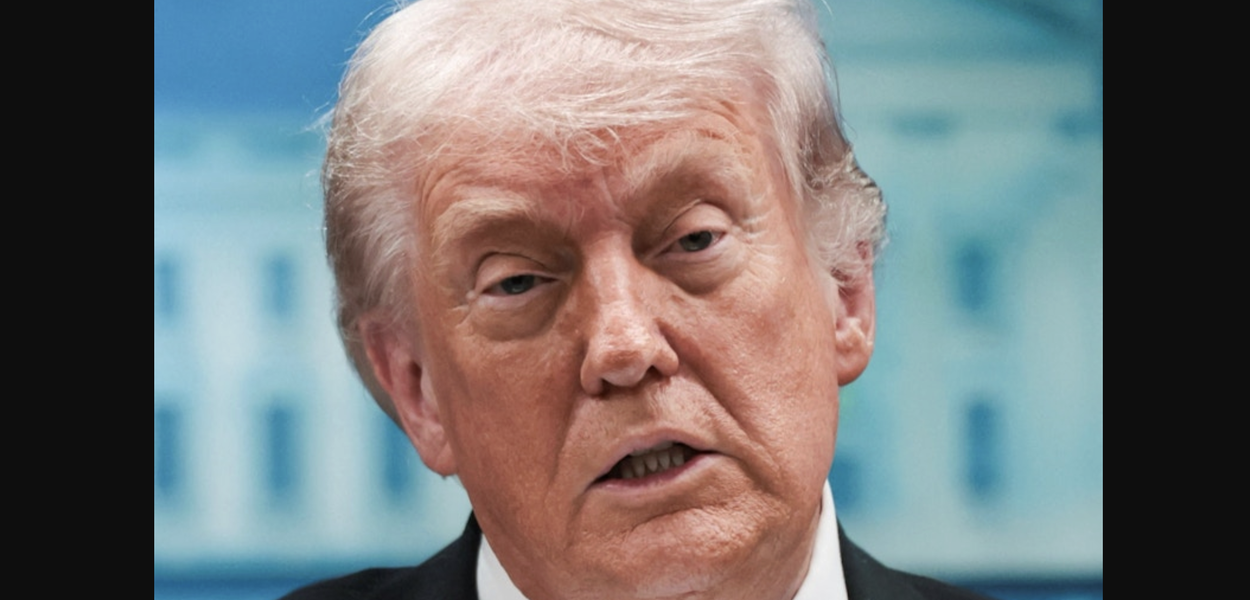
The Trump White House quickly released surveillance‑style footage and a photo of Allen pinned to the floor, using the imagery to reinforce a hard‑line law‑and‑order message. Trump publicly labelled the suspect “a very sick and crazy person” and a “lone wolf,” while insisting that the Secret Service had done “a fantastic job” and that he had even recommended “the show go on.”
Political appropriation across the spectrum
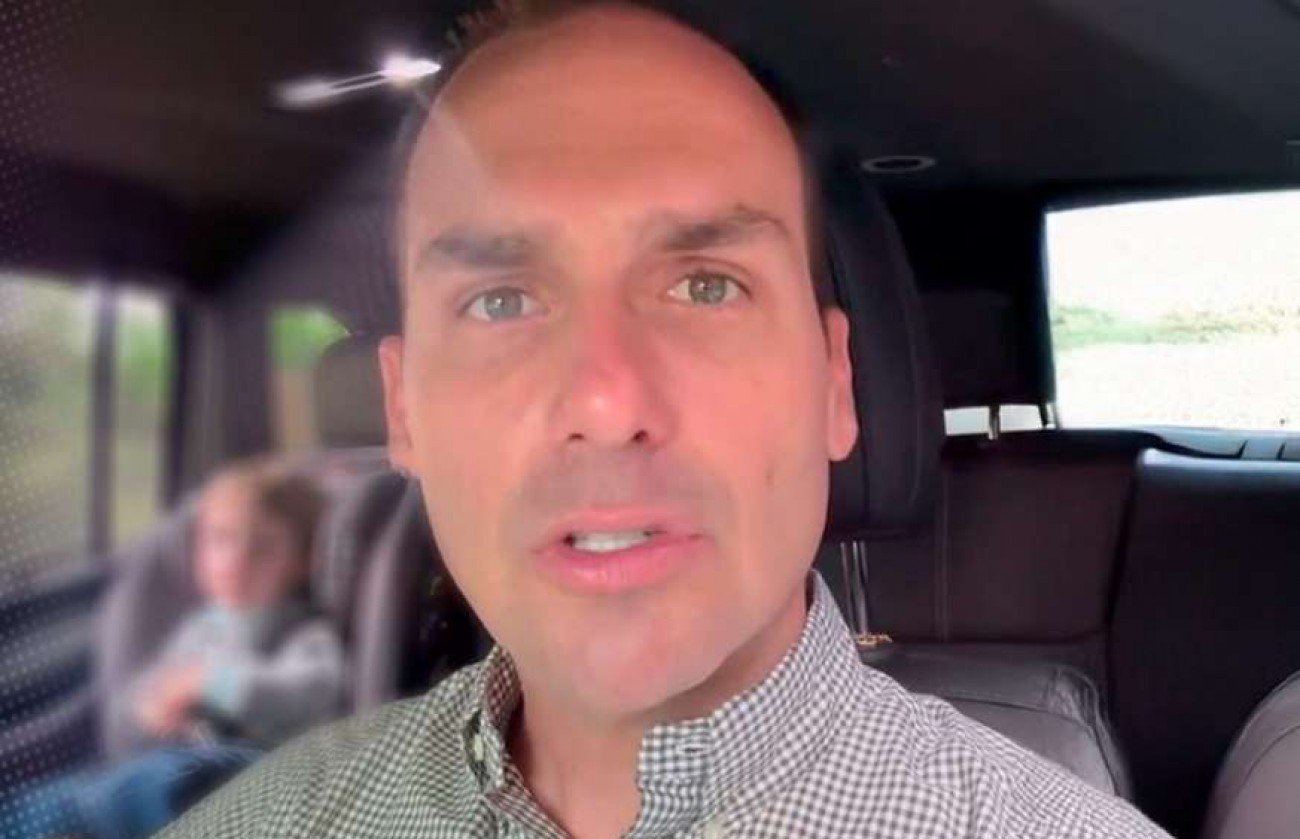
In the hours and days that followed, reactions fractured along familiar partisan lines. Pro‑Trump commentators on X framed the event as proof that conservative leaders are especially hunted, warning of a broader climate in which right‑wing figures are “more exposed” to lethal attacks and explicitly linking Trump’s case to Jair Bolsonaro’s in Brazil.@allanconta5 on X10. Post contrasted Allen’s likely life sentence with Brazil’s treatment of Bolsonaro’s attacker. Commentators allied with Trump likewise contrasted the prospect of life‑without‑parole for Allen with Brazilian courts’ treatment of Bolsonaro’s attacker, casting the U.S. response as a model of toughness.
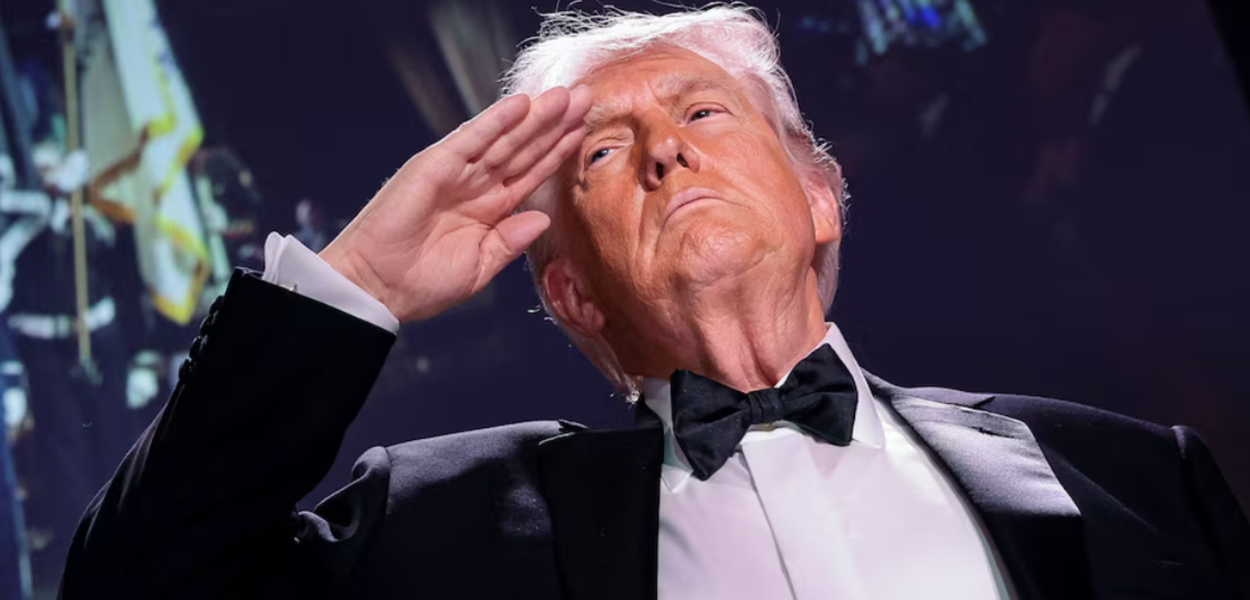
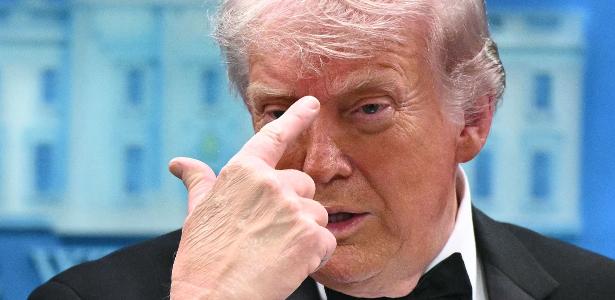
Opposition and critical voices, however, focused on Trump’s own rhetoric. One columnist argued that, instead of recognizing the gravity of surviving three attempts on his life in under two years, Trump “treated the threats as a prize,” quoting him as saying he felt “honored” to be a target because “only relevant characters” are attacked. Another piece noted that Trump was already spinning the attack as evidence of his “power” and the impact of his economic and military policies, turning a security breach into propaganda for his leadership narrative.
Journalistic accounts from inside the room added a more mundane, if revealing, layer. One widely shared story about a guest who kept calmly eating his burrata salad while others hit the floor became an instant meme, emblematic of both American desensitization to gun violence and the surreal normalisation of chaos around Trump‑era politics.
Unanswered questions
By Sunday, authorities were still probing Allen’s motives and possible networks, while stressing they believed he acted alone. What is clear is that multiple narratives emerged in real time: an operational success for the Secret Service; a serious security lapse in a supposedly hardened venue; a rallying point for right‑wing fears of persecution; and fresh material for critics who see Trump converting lethal danger into personal branding.
The convergence of these frames around a single hail of gunfire at a media‑political gala underscores how, in the current U.S. climate, even a near‑miss becomes raw fuel for a polarized information war.
7. @leandroruschel on X — “Aparentemente, houve uma nova tentativa de assassinato contra Trump… Tiros foram disparados… Trump foi retirado do local pelo Serviço Secreto.”
10. @allanconta5 on X — Post juxtaposed Allen’s expected life sentence with the Brazilian handling of Bolsonaro’s attacker, implying softer treatment in Brazil.



/https://i.s3.glbimg.com/v1/AUTH_59edd422c0c84a879bd37670ae4f538a/internal_photos/bs/2026/a/e/iCBLUsQnS17K6BUB5HmQ/ap26116064686850.jpg)
/https://s04.video.glbimg.com/x720/14559143.jpg)